
Unique Divine Travels — Bhutan
1. Do travelers need a visa to visit Bhutan? How do I get one?
Most international visitors require a visa (e-permit) before arrival. When you book your trip with a licensed Bhutan tour operator or hotel, the visa application is processed on your behalf through the official system. A one-time, non-refundable visa application fee applies at the time of processing.
2. What is Sustainable Development Fee (SDF)?
The Sustainable Development Fee (SDF) is a mandatory daily fee charged to international visitors. It supports Bhutan’s environmental conservation, healthcare, education, and infrastructure.
The SDF is usually included in your tour package and paid during visa processing. Rates may differ for Indian nationals and are subject to change by the Royal Government of Bhutan.
3. Can Indian nationals enter Bhutan without a passport or visa?
Indian nationals enjoy special travel arrangements. Entry is commonly via land borders such as Phuentsholing, Gelephu, and Samdrup Jongkhar, and documentation requirements differ from other nationalities. We guide Indian travelers through the most convenient entry option based on their travel plan.
4. Is it mandatory to book through a licensed tour operator?
Yes. Travel in Bhutan must be arranged through a government-licensed tour operator. This ensures proper handling of visas, permits, guides, transport, and compliance with national tourism regulations.
5. Can I travel independently or backpack in Bhutan?
Independent travel is very limited. Most visitors must follow a pre-arranged itinerary with a licensed guide and driver. However, private and flexible customized tours are available and remain fully compliant with Bhutan’s travel policies.
6. How can I enter Bhutan?
By Air:
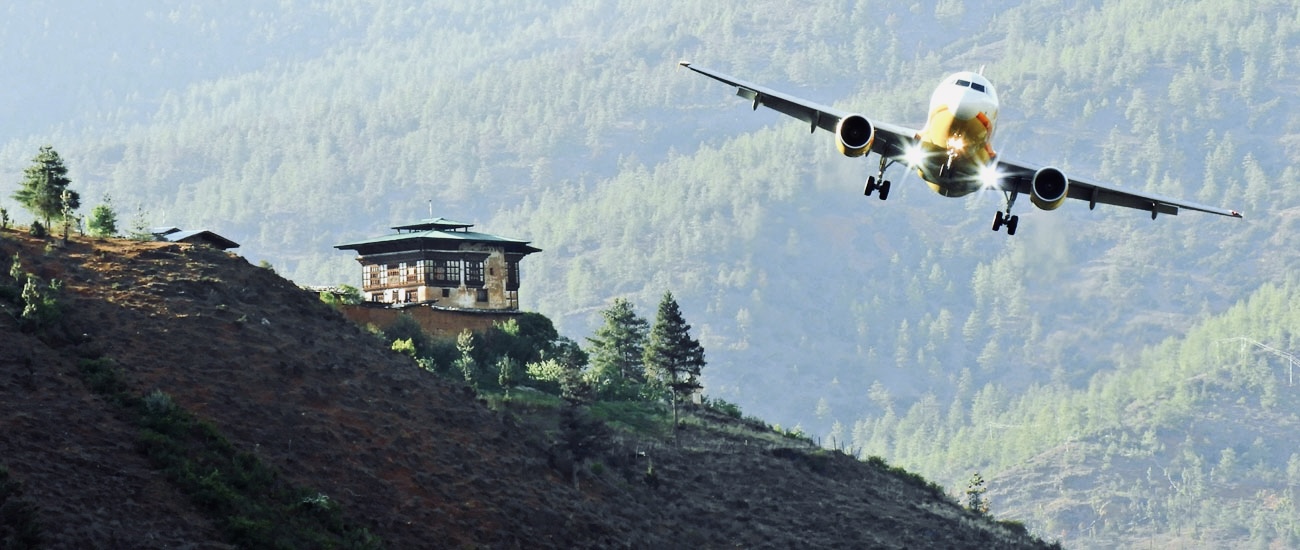
International flights operate into Paro International Airport. Domestic flights connect select internal destinations.
By Road:
Popular land entry points from India include Phuentsholing (West), Gelephu (Central), and Samdrup Jongkhar (East). Travel time depends on weather and road conditions.
7. What is the best time to visit Bhutan?
- Spring (March–May): Flowers bloom, clear skies, ideal for sightseeing and trekking
- Autumn (September–November): Festival season, excellent mountain views
- Winter (December–February): Fewer tourists, colder temperatures
- Monsoon (June–August): Lush landscapes, fewer crowds, but heavier rainfall
We help you choose the best season based on your interests.
8. What are Tshechus and can I attend them?
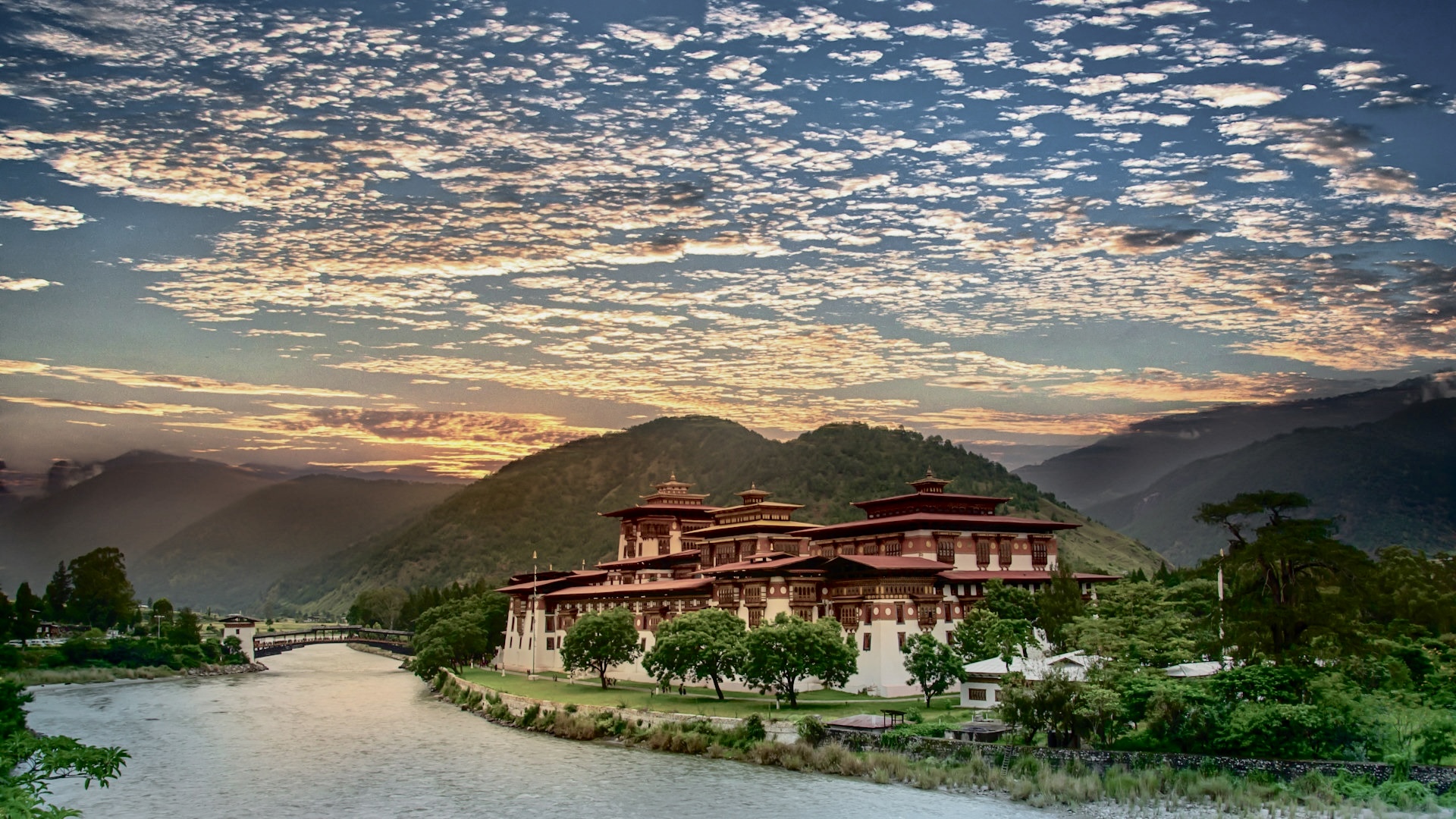
Tshechus are traditional Bhutanese religious festivals held annually in dzongs and monasteries. They feature masked dances, rituals, and cultural performances. Popular Tshechus include Paro, Thimphu, Punakha, and Bumthang. Festival dates vary yearly, and we plan trips around confirmed schedules.
9. Are trekking permits required in Bhutan?
Yes. All treks require permits and must be arranged through a licensed operator. Some high-altitude and restricted treks need special approval and experienced guides. We handle all permits, logistics, and safety planning.
10. What level of fitness is required for trekking?
Trek difficulty ranges from easy day hikes to strenuous multi-day high-altitude treks. Good physical fitness and prior hiking experience are recommended for longer treks. We include acclimatization days to ensure safety.
11. Is travel insurance mandatory?
Travel insurance is strongly recommended and often required. It should cover medical emergencies, evacuation (including helicopter rescue for treks), and trip cancellations.
12. Are vaccinations or health precautions required?
Routine vaccinations should be up to date. Travelers should consult their healthcare provider for current recommendations. Altitude awareness is important—hydration, gradual ascent, and early symptom reporting are essential.
13. What currency is used in Bhutan?
The local currency is the Bhutanese Ngultrum (BTN). Indian Rupees are widely accepted in many areas. Credit cards are accepted in major hotels and towns, but cash is essential in rural regions.
14. How is mobile and internet connectivity?
Mobile coverage is good in cities and major highways but limited in remote areas. Wi-Fi is available in most hotels, though speeds may vary outside urban centers.
15. Is English widely spoken?
Yes. English is commonly used in tourism, education, and official communication. All our guides are fluent in English.
16. What cultural etiquette should visitors follow?
- Dress modestly at religious sites
- Remove shoes and hats where required
- Ask permission before photographing people
- Respect local customs and traditions
We provide a detailed cultural briefing before your trip.
17. Are drones allowed in Bhutan?
Drone usage is strictly regulated and usually requires special permits. Some locations prohibit aerial photography entirely. We advise on regulations and apply for permissions where possible.
18. What types of accommodation are available?
Accommodation ranges from cozy guesthouses to boutique and luxury lodges. Facilities vary by region, with more amenities available in Paro and Thimphu. All accommodations we arrange meet safety and quality standards.
19. Is tipping expected in Bhutan?
Tipping is optional but appreciated for good service. Guides and drivers may receive tips at the end of the trip. We provide tipping guidelines before departure.
20. How does booking and payment work?
- Itinerary & quotation: Detailed itinerary with inclusions and costs
- Payment: Deposit followed by balance payment before arrival
- Cancellations: Clearly stated cancellation and refund policy applies
Some fees may be non-refundable once processed.
21. Are there any health or travel restrictions?
Public health and entry requirements may change. We monitor official updates and keep travelers informed before departure.
22. Is Bhutan safe for solo travelers and families?
Yes. Bhutan is considered one of the safest destinations, including for solo women travelers and families. Standard travel precautions still apply.
23. What should I pack for Bhutan?
Pack layered clothing, comfortable walking shoes, sun protection, personal medication, travel documents, and a power bank. A customized packing list is provided with each itinerary.
24. What emergency support is provided?
We provide emergency contact numbers, on-ground support, and evacuation planning for remote treks. Our team remains accessible throughout your journey.
25. Can my trip be customized?
Yes. We specialize in customized Bhutan experiences including cultural tours, wildlife and birding trips, photography tours, pilgrimages, trekking, and wellness journeys.
For further questions or custom itineraries, contact Unique Divine Travels.