
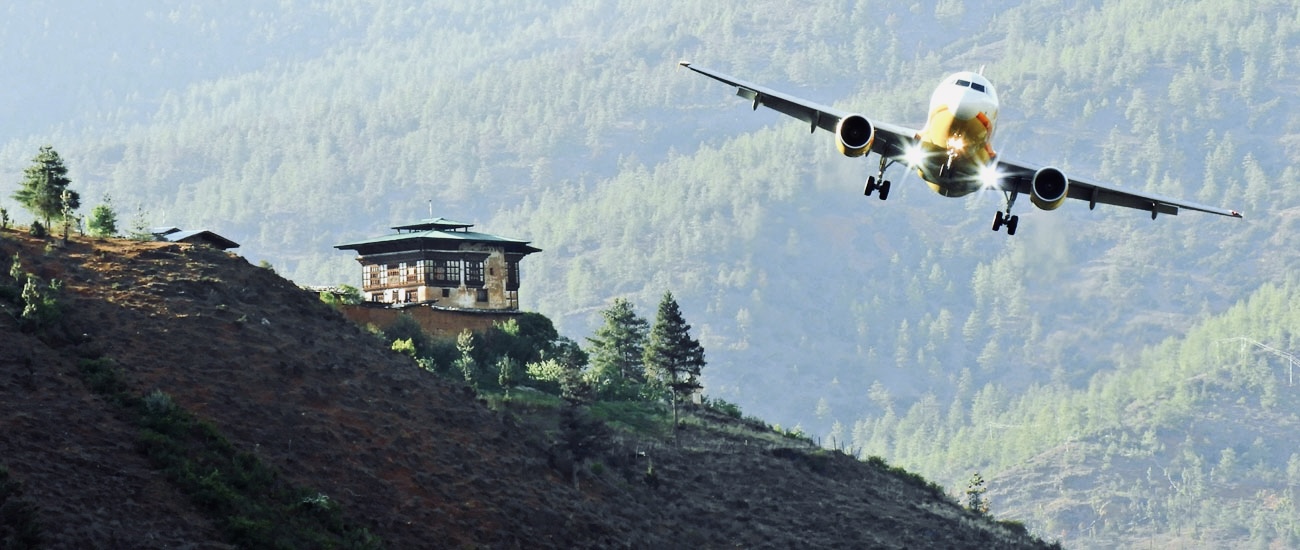
Bhutan has a rich and distinctive culture shaped by its history, religion, and the guiding philosophy of Gross National Happiness. Cultural traditions remain deeply rooted in everyday life and are carefully preserved.
Religion
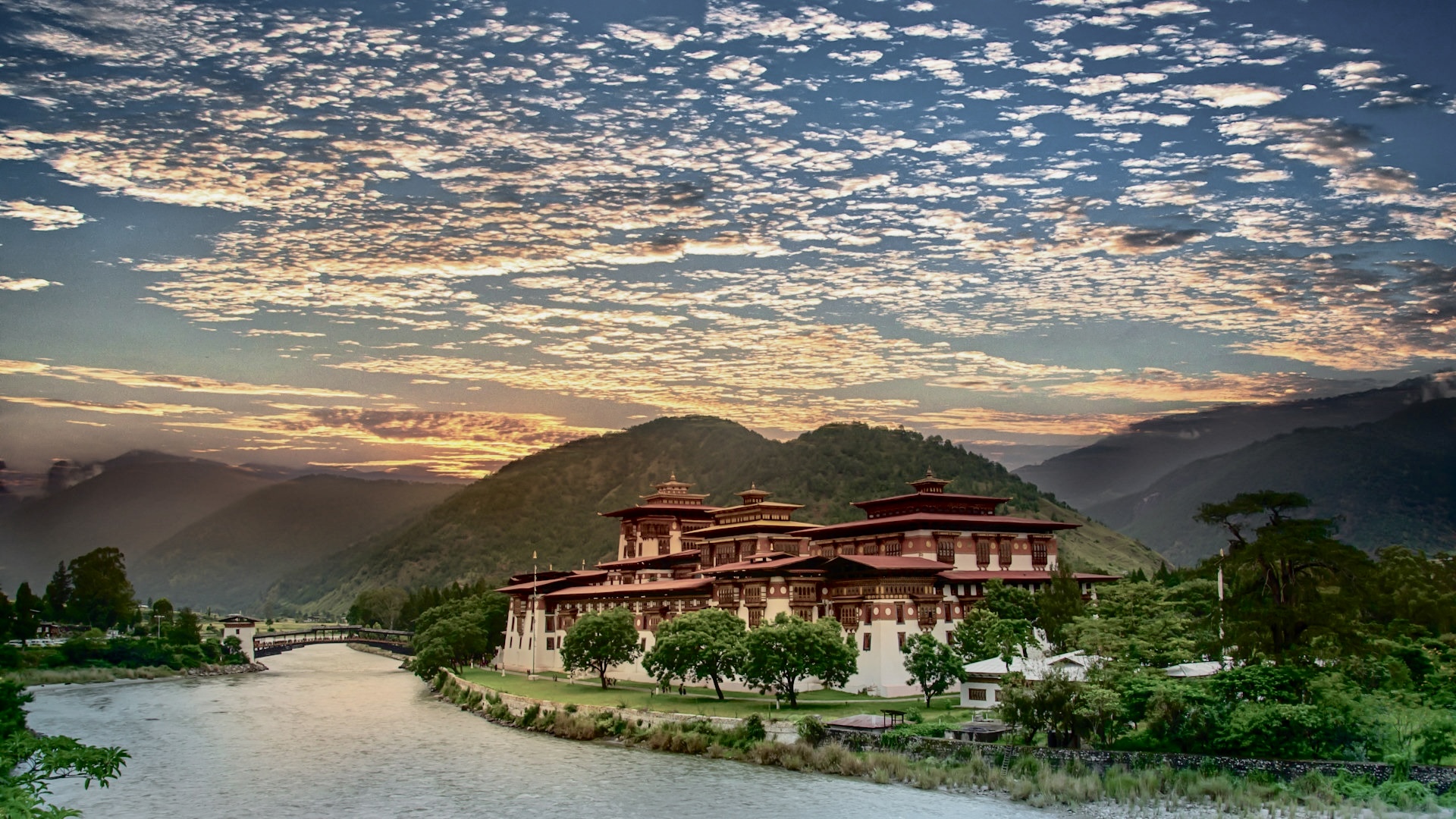
Bhutan is predominantly Buddhist, with Vajrayana Buddhism playing a central role in society. Monasteries and dzongs are found throughout the country and serve as important religious and administrative centers. The King of Bhutan holds the title Druk Gyalpo (Dragon King), reflecting the nation’s spiritual heritage.
Traditional dress
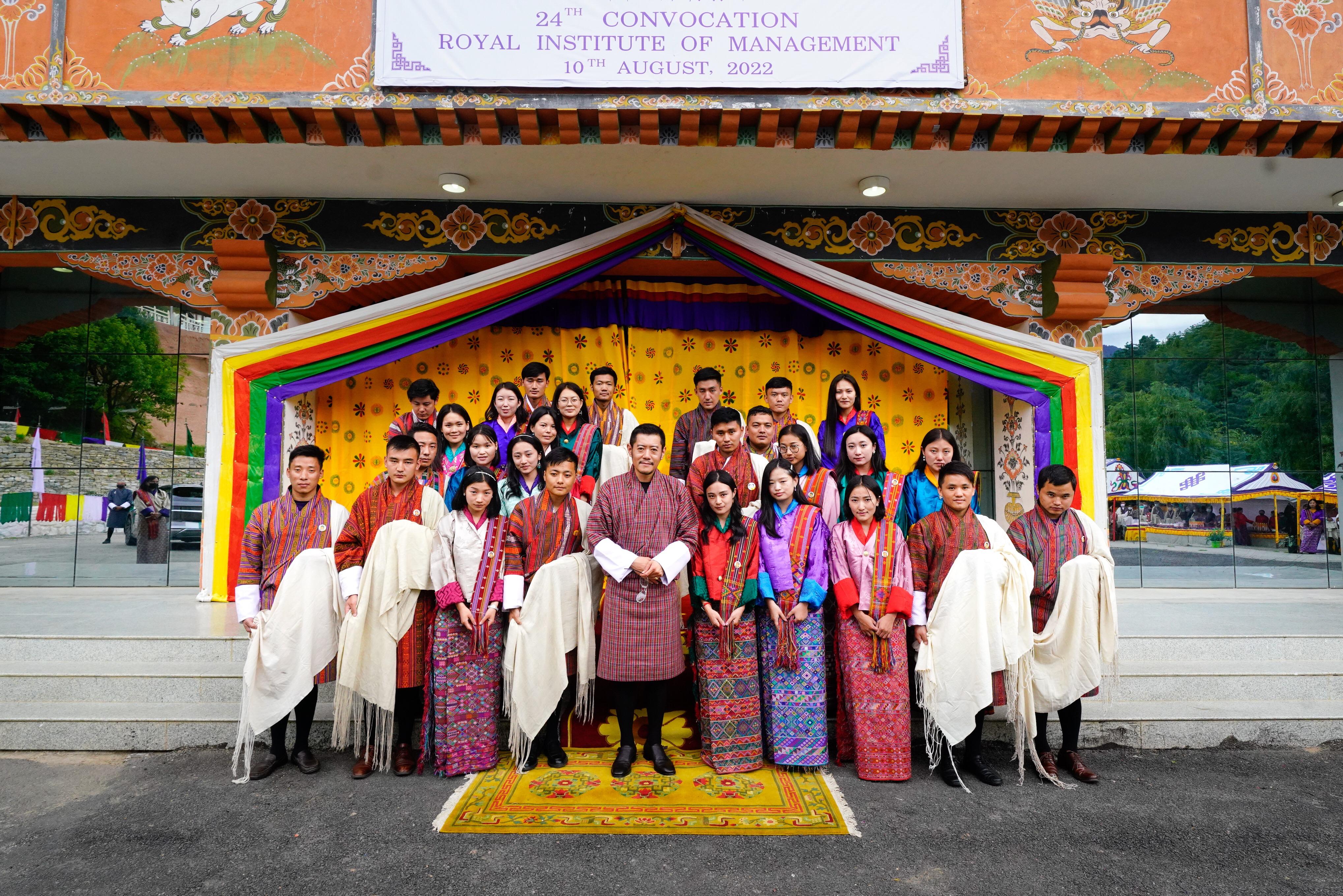
Bhutanese traditional clothing consists of the gho for men and the kira for women. These garments are made from handwoven fabrics and are worn daily in formal and official settings. Traditional dress remains a strong symbol of national identity.
Architecture
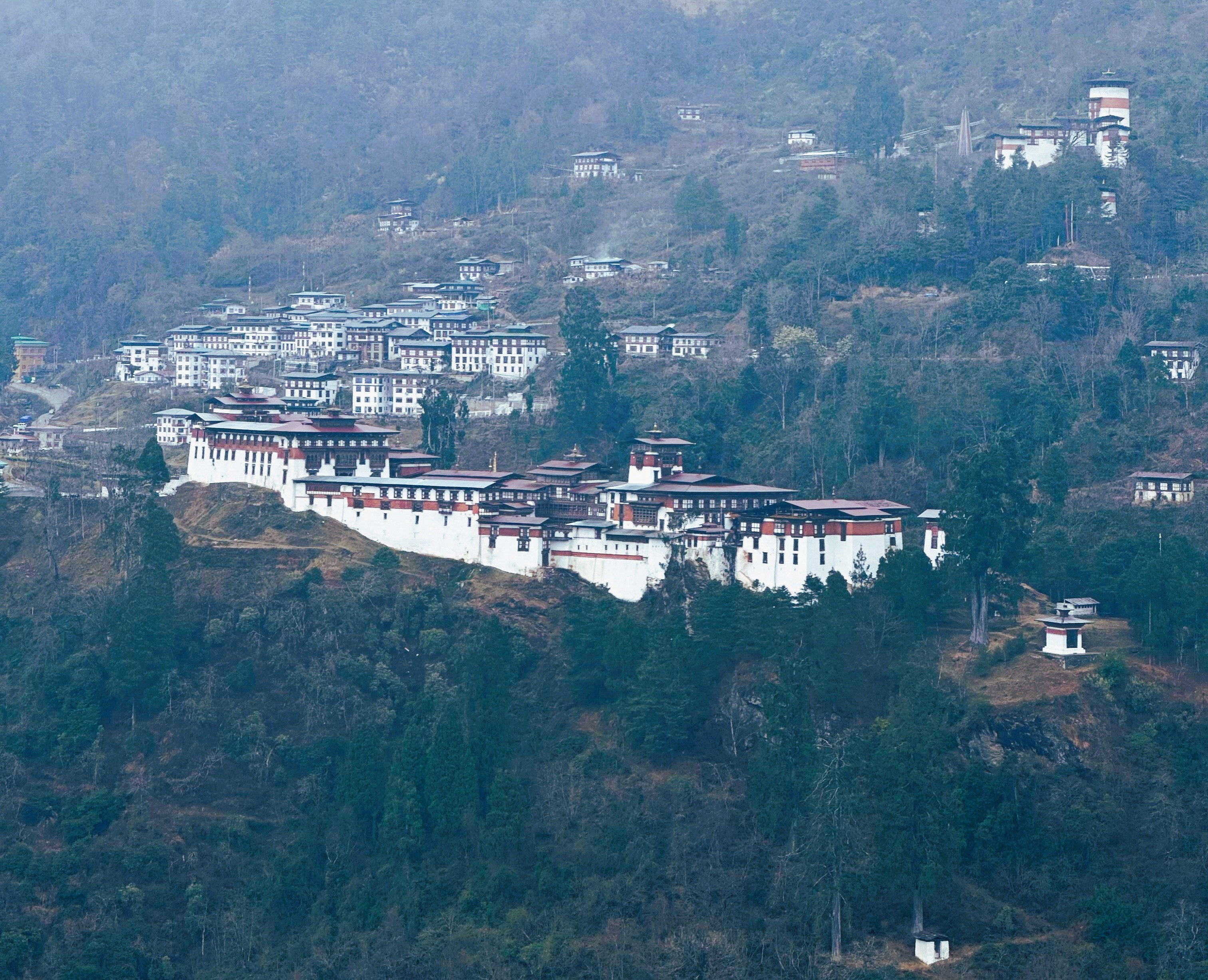
Dzongs are iconic features of Bhutanese architecture, known for their massive white walls, red roofs, and detailed woodwork. They function as both monasteries and administrative offices. Traditional houses also feature painted windows and decorative designs unique to Bhutan.
Language
Dzongkha is the official language of Bhutan, while English is widely used and taught in schools. Oral traditions, including folk tales, songs, and legends, remain an important part of Bhutanese cultural heritage.
Cuisine
Bhutanese cuisine is characterized by the use of chilies and spices. Ema datshi, made from chilies and cheese, is a popular national dish. Red rice is a staple food, along with buckwheat-based dishes and traditional dumplings.
Arts and crafts
Bhutan is known for its traditional arts and crafts, including weaving, wood carving, painting, and sculpture. Handwoven textiles and religious paintings are an important part of Bhutan’s artistic tradition.
Environmental conservation
Environmental protection is a key cultural value in Bhutan. Conservation policies reflect the belief that environmental well-being is inseparable from human happiness.
Traditional games
Archery is the national sport of Bhutan and is deeply rooted in cultural tradition. Archery competitions are social events that often include music, dance, and celebration.
Bhutan’s culture and traditions continue to thrive alongside modernization. Visitors can experience this living heritage through festivals, architecture, cuisine, and the warm hospitality of its people.