
Wangdiphodrang is a district located in western Bhutan and is known for its scenic landscapes, cultural heritage, and traditional lifestyle. The district takes its name from Wangdiphodrang town, which serves as the administrative center.
Wangdiphodrang Dzong
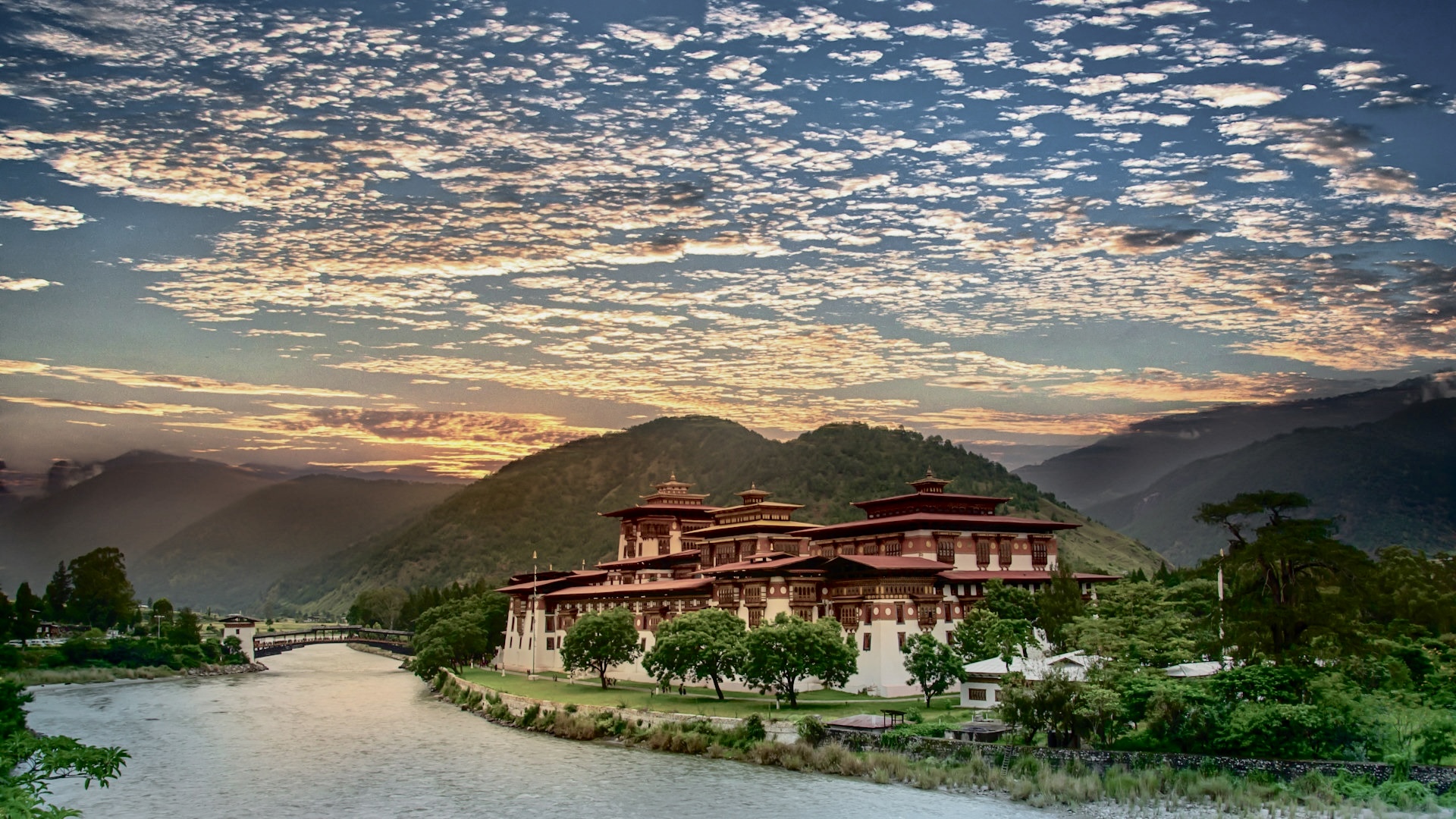
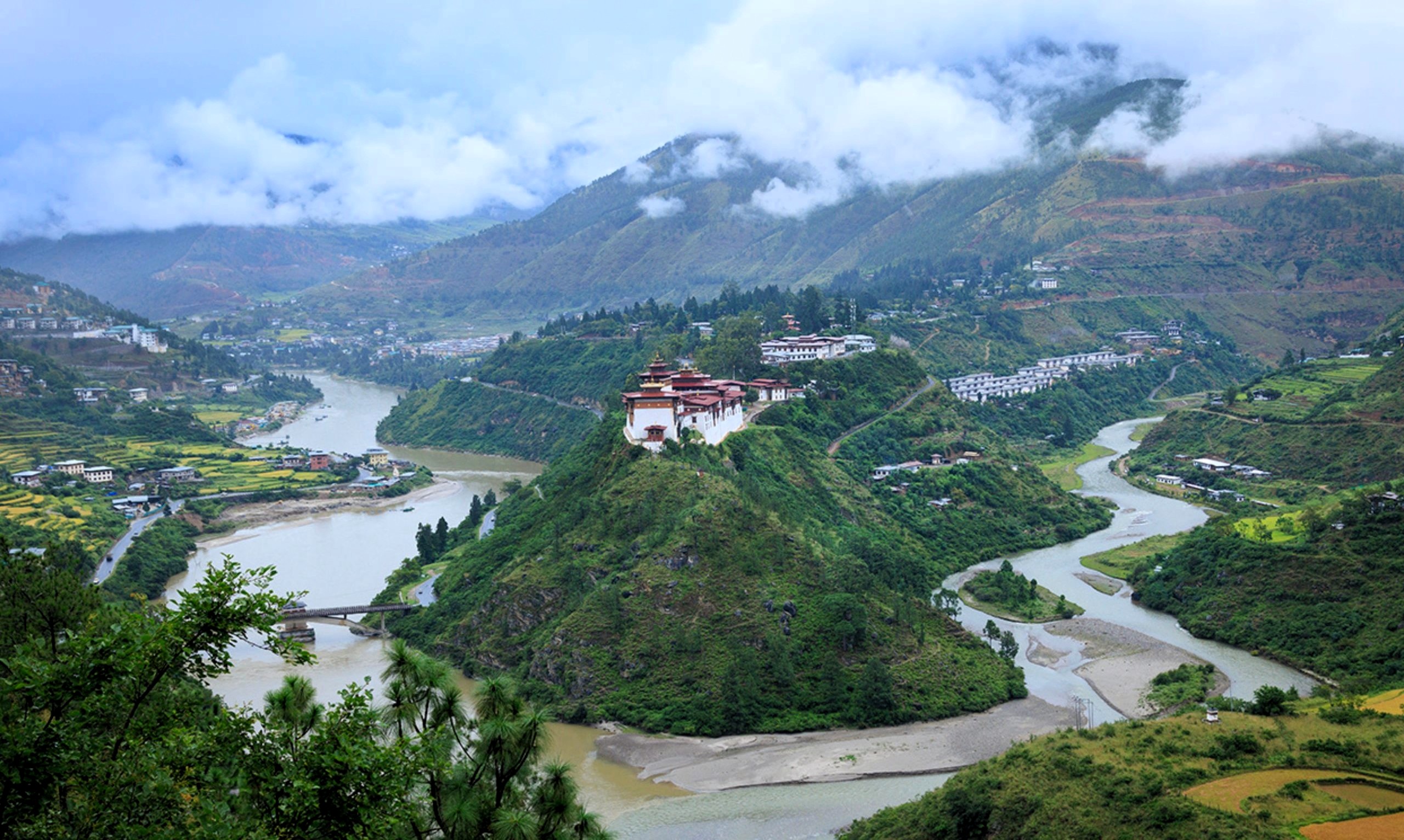
Wangdiphodrang Dzong is one of the most prominent landmarks in the district. Located at the confluence of the Punatsang Chhu and Dang Chhu rivers, the dzong has historically served as an important administrative and religious center. After being severely damaged by fire in 2012, the dzong has been undergoing restoration.
Rinchengang village
Rinchengang is a traditional Bhutanese village known for its stone houses and preserved architectural style. The village offers insight into rural life and local traditions in the region.
Nature and scenery
The district features lush valleys, terraced fields, and wide mountain views. It is well suited for trekking, bird-watching, and experiencing Bhutan’s natural environment.
Phobjikha Valley
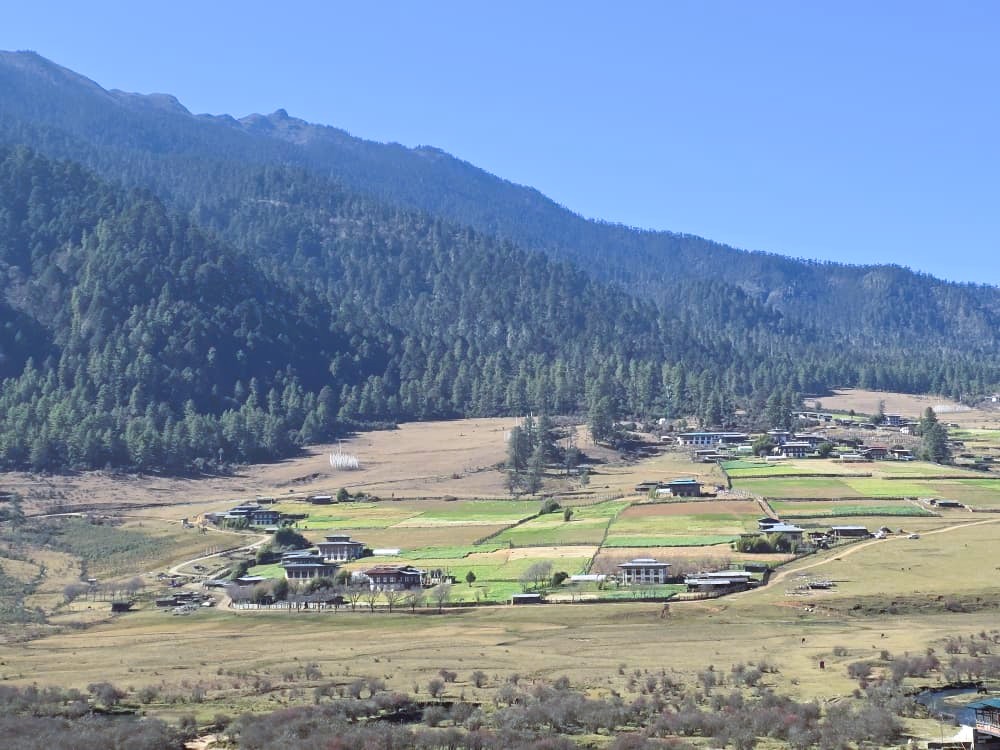
Phobjikha Valley is one of the most important natural areas in the district. It is a designated conservation zone and serves as the winter habitat of the black-necked crane. The annual Black-necked Crane Festival is held here.
Gangtey Monastery
Gangtey Monastery, also known as Gangtey Gompa, is a major religious center overlooking Phobjikha Valley. The monastery belongs to the Nyingma tradition of Buddhism and offers panoramic views of the surrounding landscape.
Festivals
The district hosts several religious festivals throughout the year. Wangdi Tshechu is among the most significant, featuring masked dances and traditional performances.
Traditional crafts
Local communities practice traditional crafts such as bamboo and cane weaving, along with textile production. These crafts form an important part of the district’s cultural heritage.
Agriculture
Agriculture plays a major role in the local economy. The district is especially known for rice farming, including the cultivation of Bhutan’s famous red rice.
Wangdiphodrang offers a balanced combination of culture, history, and natural beauty. It remains an important destination for understanding Bhutan’s rural traditions, conservation efforts, and scenic landscapes.